How Often Should You Clean Your Dryer Vent?
Dryer vent fires are more common than most homeowners realize, and nearly all of them are preventable with a simple annual cleaning. Here is the schedule that actually works.
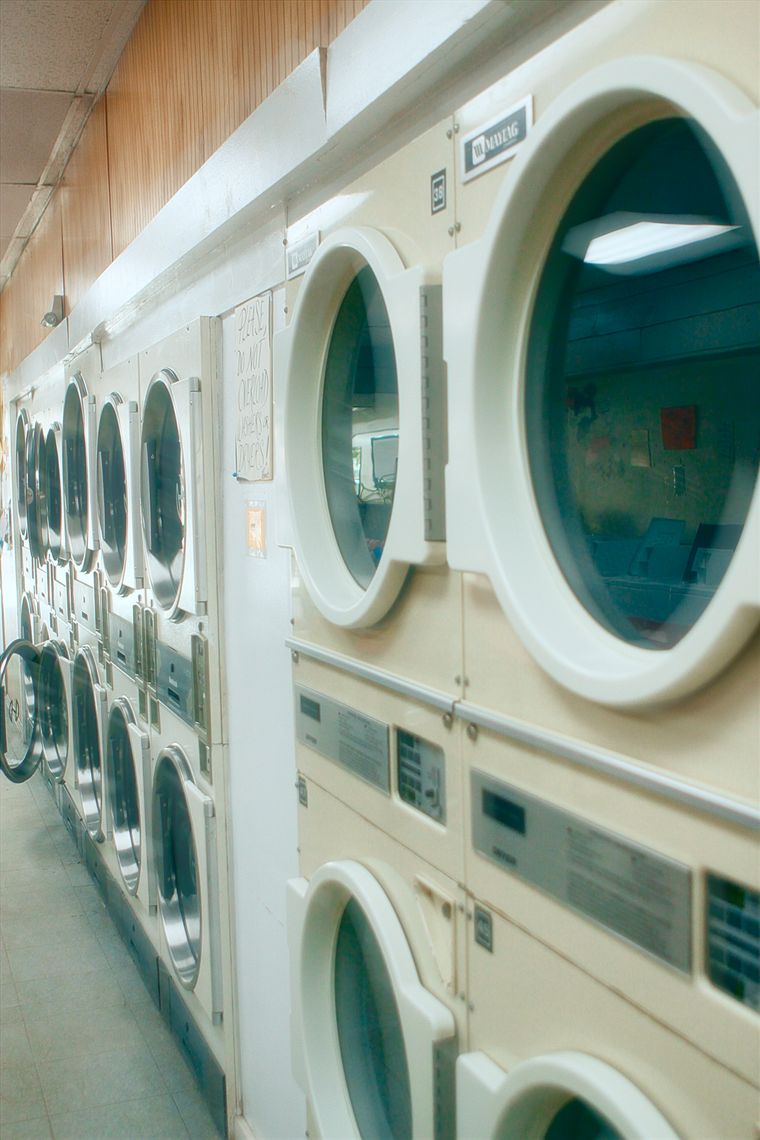
Dryer vent fires are more common than most homeowners realize, and nearly all of them are preventable with a simple annual cleaning. Here is the schedule that actually works.
Most homeowners clean the lint trap every load and assume that is enough. In reality, the lint trap only catches a portion of the lint your dryer produces. The rest travels through the full duct run to the exterior vent, where it can build up quietly for years.
For most households, a full professional dryer vent cleaning once a year is enough to keep airflow clear and prevent buildup from becoming a hazard. If you do laundry for a large family, run a home business, or have a long or twisting vent run, cleaning every six to nine months is safer.
Any one of these signs on its own is worth a look. If you notice more than one at the same time, it is a strong signal that airflow is significantly restricted.
A proper dryer vent cleaning covers the entire duct run, not just the section directly behind the dryer. A technician will disconnect the dryer, clear the full length of ductwork from the unit to the exterior vent hood, and then run the dryer to confirm strong airflow has been restored. This is different from simply vacuuming the area behind the dryer, which only addresses a small part of the system.
Our licensed technicians offer full duct-run dryer vent cleaning and airflow testing across Syracuse, NY and Onondaga County.
Call (315) 881-9135 NowMost homes should have their dryer vent professionally cleaned once a year, though households that do frequent laundry or have long vent runs may need it more often.
Clothes taking longer than usual to dry, the dryer or laundry room feeling unusually hot, a burning smell, and visible lint around the outside vent hood are all warning signs.
No. The lint trap only catches a portion of lint, and the rest travels through the full duct run to the outside vent, where it can build up unnoticed for years.
A technician clears the full duct run from the back of the dryer to the exterior vent hood, then tests airflow to confirm the blockage has been fully cleared.